
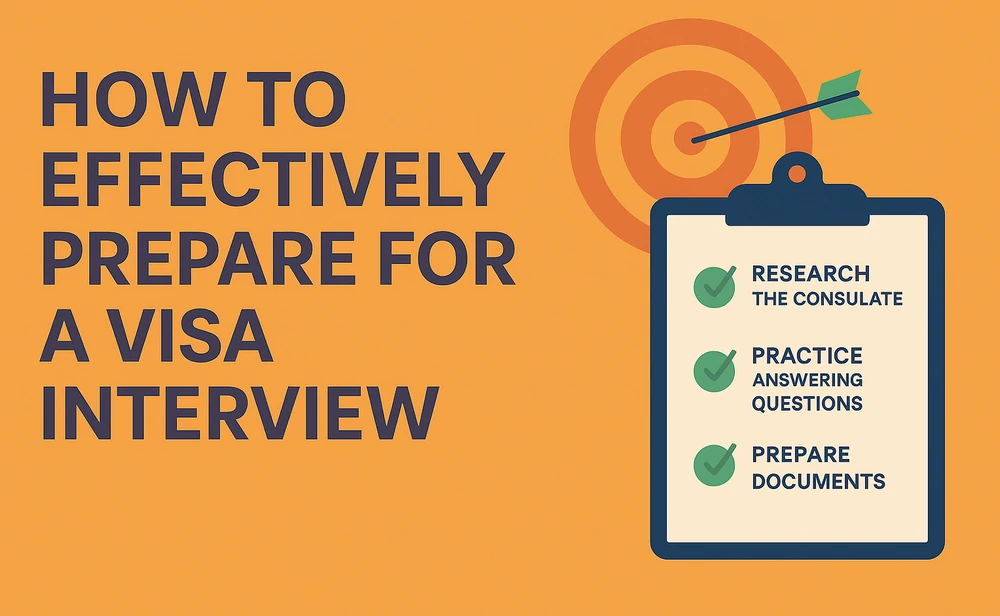
Visa interviews can feel like a final boss in a video game — intimidating, nerve-wracking, and high-stakes. But with the right prep, you can walk in feeling confident and walk out with your visa approved.
This guide breaks down exactly how to prepare for your visa interview step by step — whether you’re applying for a tourist, student, work, or spouse visa. No fluff, no confusion — just what you need to succeed.
Are You Eligible for the James Madison Graduate Fellowship?
Answer 8 quick questions and get a personalized eligibility report with your score, strengths, and next steps — in under 2 minutes.
Analyzing Your Eligibility...
Boost Your Application Score
Take our Advanced Quiz to uncover hidden strengths and get a full action plan to maximize your fellowship chances.
You're a Strong Candidate!
Based on both quizzes, you have a solid profile for fellowship and scholarship applications. Here's your action plan:
Your Top 5 Next Steps
Why the Visa Interview Matters
The interview is where the consular officer decides if you’re genuine, qualified, and eligible. Even with perfect paperwork, a weak interview can lead to refusal.
But here’s the good news: consular officers don’t want to reject you. They just want clear, honest answers and evidence that you meet the visa requirements.
1. Know Your Visa Type Inside Out
Whether it’s a Student Visa (F1 for the US), Spouse Visa, or Skilled Worker Visa, you need to understand:
Advertisements1
Find Your Best Opportunity in 30 Seconds
Answer 5 quick questions and we'll match you with the best scholarships, visas, and work opportunities for your exact profile.
🎯 Your Top Matches
Ranked by compatibility with your profile
- What the visa allows
- Who it’s for
- The basic conditions (funding, intent, job offer, etc.)
📝 Example: If you’re applying for a Canadian spousal visa, you should know how long it takes, who can sponsor you, and what documents are required.
Knowing your visa shows you’re serious and informed — a big plus for the officer.
2. Master Your Application Details
The officer will ask questions based on your form — especially the DS-160 (USA), IRCC forms (Canada), or UKVI application.
Be ready to explain:
- Dates of travel or employment
- Where you’ll stay
- Why you chose that country or institution
- Who is funding you
- Any past travel history
🔑 Tip: Don’t guess. If you forget something, it’s better to say “I don’t recall the exact date, but I can check.”
3. Bring the Right Documents (Organized)
Bring originals and copies in a clean folder. Depending on your visa, this may include:
- Passport (valid for at least 6 months)
- Visa application confirmation
- Appointment letter
- Invitation or sponsorship letter
- Proof of funds (bank statements, pay slips, etc.)
- Academic or job documents
- Marriage certificate or photos (for spousal visas)
💡 Use labeled dividers to find each document fast — this shows you’re prepared and saves time.
4. Practice Common Interview Questions
Here are some typical questions by visa type:
Student Visa:
- Why did you choose this university/course?
- Who is sponsoring you?
- What are your plans after graduation?
Spouse Visa:
- How did you meet your partner?
- When and where was the wedding?
- Do you plan to live together permanently?
Work Visa:
- What is your job role?
- Who is your employer?
- How long is your contract?
Practice your answers with a friend or in front of a mirror. Keep answers short, honest, and confident.
5. Dress the Part
First impressions matter. You don’t need to wear a suit, but dress neatly and professionally. Clean clothes, tidy hair, and good hygiene go a long way.
🎯 Think job interview, not fashion show.
6. Stay Calm and Confident
Yes, it’s normal to feel nervous — but don’t let anxiety ruin your performance. Here’s how to stay cool:
- Breathe slowly before answering
- Make eye contact (but don’t stare)
- Smile politely
- Don’t argue or interrupt
If you don’t understand a question, ask politely: “Could you please repeat that?”
7. Avoid These Common Mistakes
Many rejections happen because of simple avoidable errors:
❌ Lying or exaggerating
❌ Guessing or contradicting your form
❌ Bringing incomplete documents
❌ Acting overconfident or defensive
❌ Not knowing your visa purpose
Remember: honesty is your best strategy. Officers are trained to detect false answers.
8. Know Your Sponsor or School Well
If someone is supporting your trip (like a relative, employer, or university), you should know:
- Their name, relationship to you
- Their job and income
- Where they live
- Why they’re sponsoring you
This is especially important for student, tourist, or family reunion visas.
9. Plan Ahead Logistically
✅ Arrive at the consulate at least 30 minutes early
✅ Bring a pen and backup documents
✅ Keep your phone switched off
✅ Don’t carry unnecessary items — bags may not be allowed
10. Be Ready for the Unexpected
Sometimes, officers ask personal or surprising questions:
- “Why are you traveling now?”
- “Why didn’t you apply earlier?”
- “Why do you want to go back home?”
Don’t panic — stay calm, think for a second, and answer honestly. They’re testing your intent and credibility, not trying to trick you.
Final Checklist
✅ Know your visa type
✅ Understand your application
✅ Organize your documents
✅ Rehearse questions
✅ Dress smart
✅ Stay calm
✅ Avoid lies
✅ Know your sponsor
✅ Show intent to return (for non-immigrant visas)
✅ Be honest and polite!
FAQ
Can I reschedule my visa interview?
Yes, most embassies allow rescheduling online — but don’t wait until the last minute.
What happens if I’m denied?
You can often reapply or appeal, depending on the visa. First, understand the reason for denial.
Is the visa interview in English?
Usually yes — unless the country offers translators. You should have at least basic conversational skills in English.
Do I need to bring my spouse for the interview?
Only if the visa category requires it (like some spousal visas). Always check the embassy’s guidelines.
Final Thoughts
Your visa interview isn’t a test of perfection — it’s about showing that you’re genuine, prepared, and eligible. If you follow this guide, you’ll already be one step ahead of most applicants.
Now over to you:
Have a question about your visa interview? Need help with prep? Drop it in the comments — I read every one!
And if this helped you out, share it with a friend who’s preparing for their visa too.