
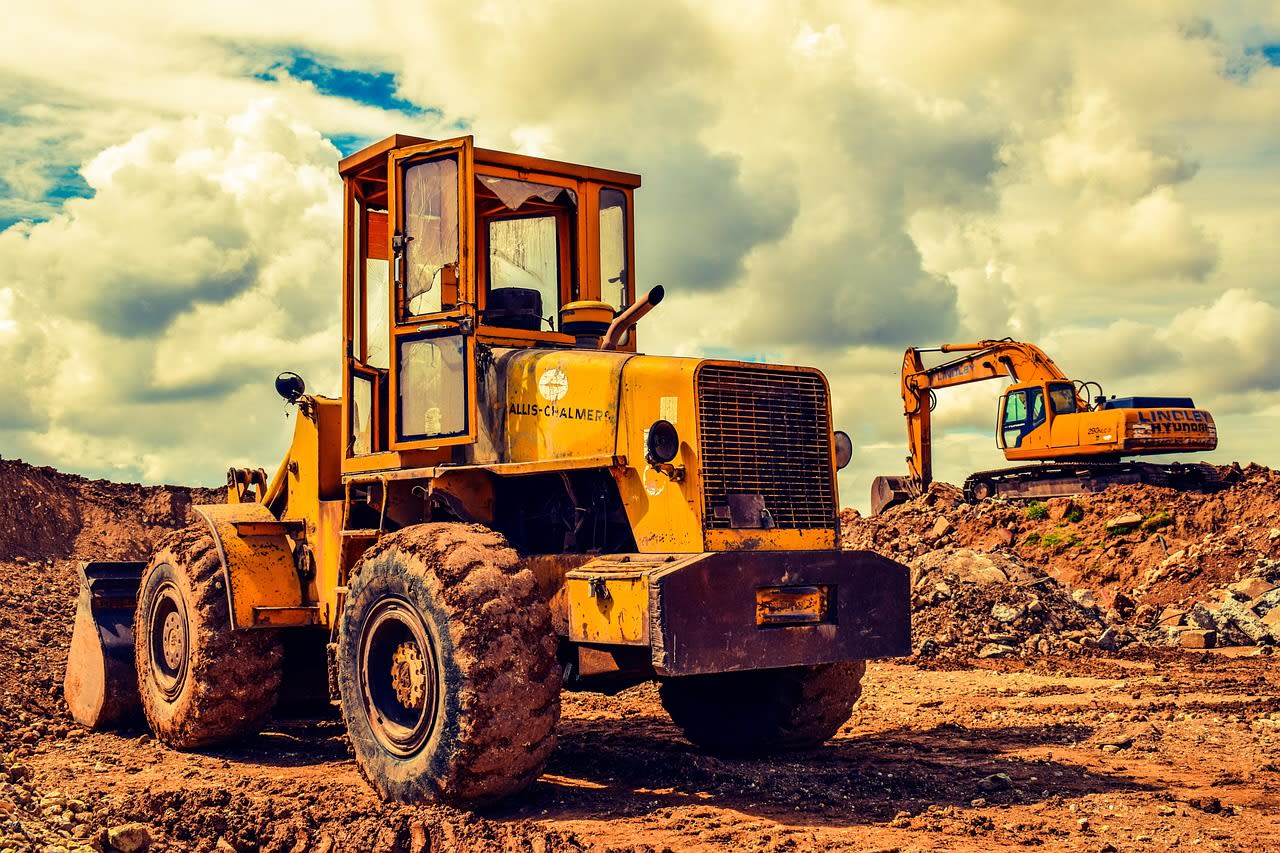
Germany is expected to face continued labor shortages in transport, construction, and industrial logistics through 2026. One role consistently in demand is the heavy equipment driver — professionals who operate trucks, excavators, loaders, cranes, and other large machinery. For U.S. readers exploring overseas work opportunities, understanding where these jobs are listed and how the German hiring system works is the first step.
This guide surfaces lesser-known platforms, official portals, and industry-specific resources where heavy equipment and commercial driving roles appear in Germany. If you are new to international job searching, these websites can help you understand qualifications, licensing expectations, and regional demand.
Are You Eligible for the James Madison Graduate Fellowship?
Answer 8 quick questions and get a personalized eligibility report with your score, strengths, and next steps — in under 2 minutes.
Analyzing Your Eligibility...
Boost Your Application Score
Take our Advanced Quiz to uncover hidden strengths and get a full action plan to maximize your fellowship chances.
You're a Strong Candidate!
Based on both quizzes, you have a solid profile for fellowship and scholarship applications. Here's your action plan:
Your Top 5 Next Steps
Table of Contents
(Click to Toggle)
- Germany’s Infrastructure Push Is Fueling Driver Demand
- 1. LKW-Fahrer-gesucht.com : Transport-Focused Listings
- 2. Fahrerboerse.net : Driver Exchange Platform
- 3. TruckScout24 : Commercial Vehicle Marketplace
- 4. Maschinensucher : Industrial Machinery Network
- 5. Arbeitsagentur.de : Federal Employment Portal
- 6. Jobboerse.arbeitsagentur.de : Official Job Database
- 7. Make-it-in-Germany.com : Skilled Worker Immigration Guide
- 8. Ausbildung.de : Vocational Training Portal
- 9. Meinestadt.de : Local Job Aggregator
- 10. Stellenanzeigen.de : Mid-Sized Employer Listings
- 11. Jobstairs.de : Corporate Career Network
- 12. Kimeta.de : Job Search Engine
- 13. Stellenwerk.de : University-Linked Job Network
- 14. Hokify.de : Mobile-First Job Platform
- 15. Jobvector.de : Technical & Skilled Roles
- Bonus: Bauindustrie.de : Construction Industry Association
- Bonus: BGL e.V. : Logistics Industry Federation
- Bonus: Anerkennung-in-Deutschland.de : Qualification Recognition Portal
- What This Means for U.S. Drivers
Germany’s Infrastructure Push Is Fueling Driver Demand
Germany continues to invest in infrastructure upgrades, renewable energy projects, housing development, and freight logistics modernization. An aging domestic workforce combined with stricter safety and certification requirements has created steady demand for:
- Truck and long-haul freight drivers
- Construction machinery operators
- Warehouse and logistics equipment drivers
- Specialized crane and industrial vehicle operators
For international applicants, especially from the United States, the key challenges are license recognition, German language proficiency, and understanding regional hiring networks. The platforms below provide insight into real openings and industry signals.
1. LKW-Fahrer-gesucht.com : Transport-Focused Listings
What it is: A Germany-based job board dedicated to truck and commercial vehicle drivers.
Category: Niche transport job board
Find Your Best Opportunity in 30 Seconds
Answer 5 quick questions and we'll match you with the best scholarships, visas, and work opportunities for your exact profile.
🎯 Your Top Matches
Ranked by compatibility with your profile
Why it stands out:
- Highly specialized for freight and logistics roles
- Regional filtering across German states
- Frequent postings from mid-sized logistics firms
Best for: Long-haul and regional freight drivers exploring employer-sponsored roles.
2. Fahrerboerse.net : Driver Exchange Platform
What it is: A job exchange specifically for professional drivers.
Category: Driver recruitment board
Why it stands out:
- Focus on commercial license holders
- Includes temporary and contract-based roles
- Employers often specify certification requirements clearly
Best for: CDL-equivalent holders reviewing qualification alignment.
3. TruckScout24 : Commercial Vehicle Marketplace
What it is: A marketplace for buying and selling commercial trucks and heavy vehicles.
Category: Industry marketplace
Why it stands out:
- Reveals equipment trends and fleet expansions
- Insight into which regions are scaling logistics operations
- Often linked to dealer and employer networks
Best for: Understanding where freight capacity is growing.
4. Maschinensucher : Industrial Machinery Network
What it is: A marketplace for industrial machines and construction equipment.
Category: Construction and industrial platform
Why it stands out:
- Highlights active construction sectors
- Connects to dealers and equipment-heavy firms
- Shows demand for specific machine types
Best for: Excavator, loader, and heavy construction operators.
5. Arbeitsagentur.de : Federal Employment Portal
What it is: Germany’s official federal employment agency website.
Category: Government job portal
Why it stands out:
- Authoritative listings across all sectors
- Information on work permits and recognition
- Labor market statistics by occupation
Best for: Verifying occupational demand and qualification standards.
6. Jobboerse.arbeitsagentur.de : Official Job Database
What it is: The searchable job database of the Federal Employment Agency.
Category: National job search engine
Why it stands out:
- Large volume of verified listings
- Advanced occupation filters
- Publicly funded employment support structure
Best for: Structured, broad searches for machinery and logistics roles.

7. Make-it-in-Germany.com : Skilled Worker Immigration Guide
What it is: An official portal for international professionals seeking work in Germany.
Category: Immigration and career guidance
Why it stands out:
- Explains visa pathways
- Outlines shortage occupations
- Provides English-language resources
Best for: First-time international applicants.
8. Ausbildung.de : Vocational Training Portal
What it is: A platform focused on apprenticeships and vocational pathways.
Category: Training and certification resource
Why it stands out:
- Details German dual-education routes
- Lists machine operator apprenticeships
- Explains qualification structures
Best for: Younger applicants or career switchers.
9. Meinestadt.de : Local Job Aggregator
What it is: A city-based classifieds and job portal.
Category: Regional job search
Why it stands out:
- Search by specific towns
- Strong presence in smaller municipalities
- Useful for construction roles outside major cities
Best for: Exploring rural and regional opportunities.
10. Stellenanzeigen.de : Mid-Sized Employer Listings
What it is: A German job board serving mid-sized companies.
Category: General job portal
Why it stands out:
- Frequent postings in logistics and construction
- Direct employer advertisements
- Clear job requirement outlines
Best for: Applicants targeting established regional firms.
11. Jobstairs.de : Corporate Career Network
What it is: A platform hosting listings from German companies.
Category: Employer-backed job board
Why it stands out:
- Aggregates roles directly from company career pages
- Includes industrial and transport employers
- Transparent company information
Best for: Researching company-backed openings.
12. Kimeta.de : Job Search Engine
What it is: A German job meta-search engine.
Category: Aggregator
Why it stands out:
- Pulls listings from multiple sources
- Strong filtering by job title
- Useful for comparing regional demand
Best for: Broad scanning of heavy equipment roles.

13. Stellenwerk.de : University-Linked Job Network
What it is: A job platform connected to German universities.
Category: Academic and regional listings
Why it stands out:
- Includes technical and operational roles
- Regional clustering around university cities
- Often features municipal employers
Best for: Applicants seeking stable, institutional employers.
14. Hokify.de : Mobile-First Job Platform
What it is: A mobile-focused job search site popular in German-speaking countries.
Category: Digital job platform
Why it stands out:
- Entry-level and skilled trade visibility
- Streamlined job browsing
- Strong logistics category presence
Best for: Exploring operational and field-based roles.
15. Jobvector.de : Technical & Skilled Roles
What it is: A specialized job portal for technical professions.
Category: Skilled labor platform
Why it stands out:
- Emphasis on regulated professions
- Clear qualification requirements
- Industrial employer presence
Best for: Equipment operators with technical certifications.
Bonus: Bauindustrie.de : Construction Industry Association
What it is: Germany’s construction industry association website.
Category: Industry body
Why it stands out:
- Reports on infrastructure trends
- Insight into sector growth
- Policy updates affecting hiring
Best for: Understanding macro-level demand.
Bonus: BGL e.V. : Logistics Industry Federation
What it is: A federal association for freight transport and logistics.
Category: Trade organization
Why it stands out:
- Industry labor discussions
- Regulatory insights
- Sector workforce updates
Best for: Tracking freight labor trends.
Bonus: Anerkennung-in-Deutschland.de : Qualification Recognition Portal
What it is: Germany’s official portal for foreign credential recognition.
Category: Certification and licensing resource
Why it stands out:
- Explains license equivalency
- Step-by-step recognition guidance
- English-language support
Best for: U.S. drivers converting credentials.
What This Means for U.S. Drivers
Germany’s 2026 hiring outlook for heavy equipment drivers reflects a structural need rather than a short-term spike. Infrastructure investment, freight demand, and demographic shifts are creating sustained openings in transport and construction.
For U.S. applicants, preparation typically includes:
- Evaluating license recognition requirements
- Researching visa pathways for skilled workers
- Reviewing German safety and certification standards
- Improving German language proficiency for workplace communication
By using the niche boards, official portals, and industry associations listed above, newcomers can move beyond surface-level searches and understand where real demand is forming. Germany’s labor market for heavy equipment drivers in 2026 is structured, regulated, and opportunity-driven — especially for those who approach it with the right information.